GEO
SEO and GEO Optimization: A Practical Guide to AI Search Visibility
Your team is asked to improve SEO while hearing that GEO is essential for AI visibility. With claims that a new FAQ section or formatting trick will earn recommendations, it becomes difficult to decide what deserves attention first.
SEO means search engine optimization. GEO commonly refers to improving content’s discoverability or inclusion in generative answers. For Google’s AI search features, accessible pages, reliable information and clear answers remain a useful starting point. Other platforms need their own requirements checked.
Begin with Google’s published guidance
Google Search Central’s AI features guidance states that SEO fundamentals remain relevant to AI Overviews and AI Mode. It does not require special AI markup or a new AI text file, and meeting requirements does not guarantee indexing or display. This guidance concerns Google’s features; it does not establish how every generative platform works.
Check that important pages can be reached, are not unintentionally blocked and can be found through internal links. Structured data should match visible content and suit the page type. An FAQ may help readers without guaranteeing enhanced search presentation.
Our view is to begin GEO with one question: why would this page be worth citing? Rephrasing existing material, adding repeated keywords or producing more question headings does not by itself create useful information.
Earn attention by solving a real question
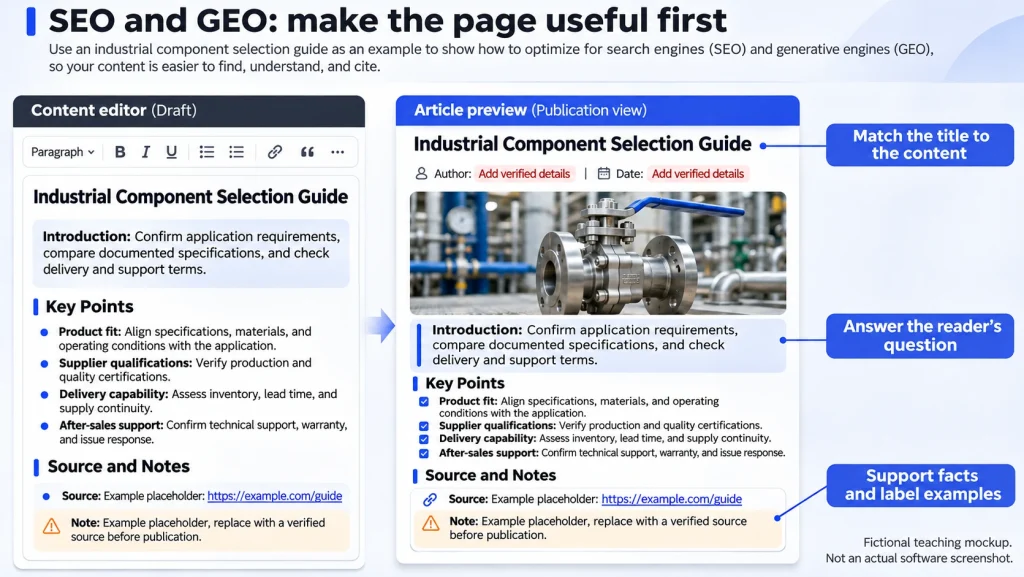
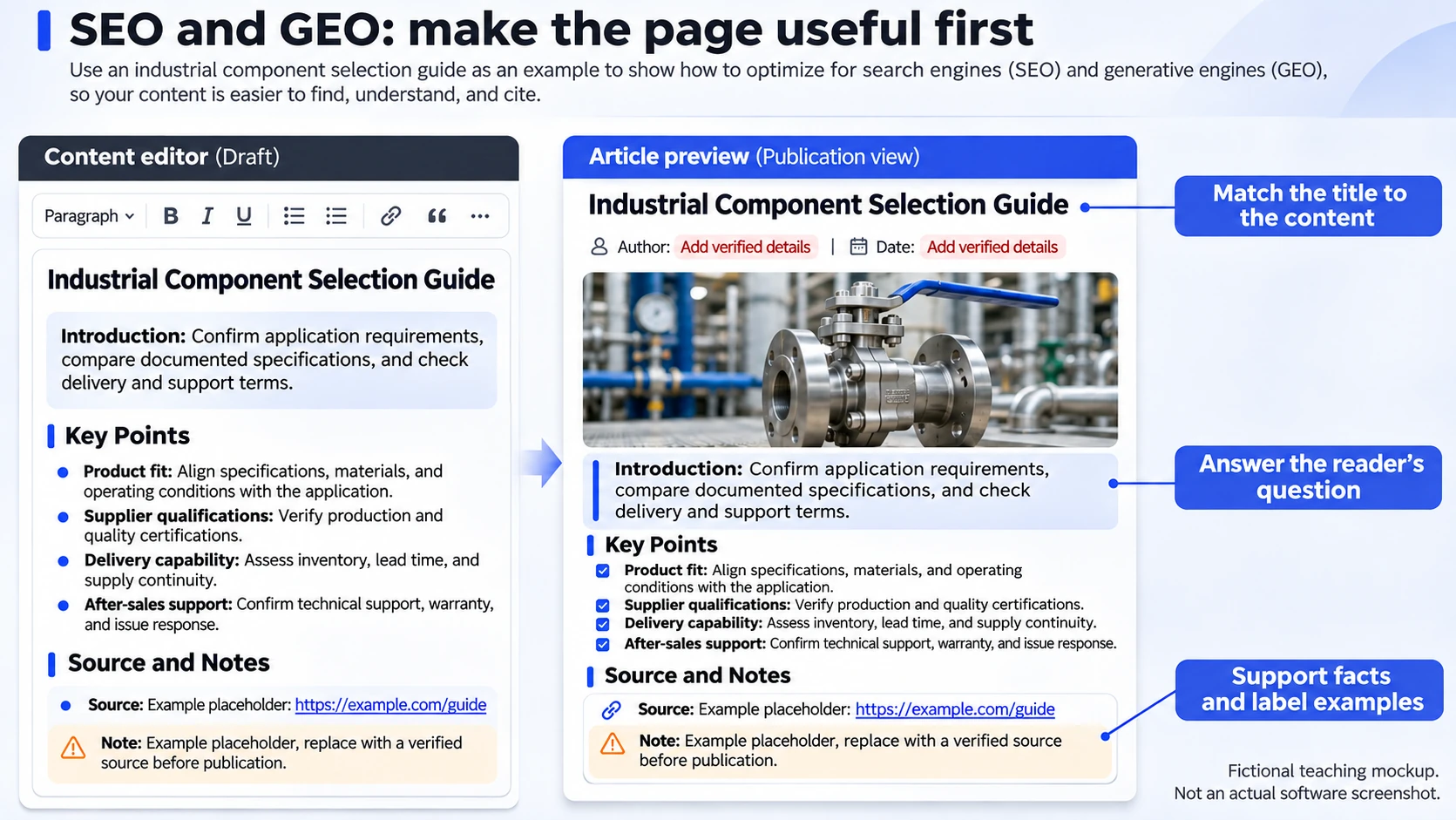
Give the page a specific title, answer its main question early, then explain the conditions, method and limitations. Add genuine tests, decision criteria or transparent calculations where appropriate. Use question-and-answer sections because they help readers, rather than treating their format as a citation mechanism.
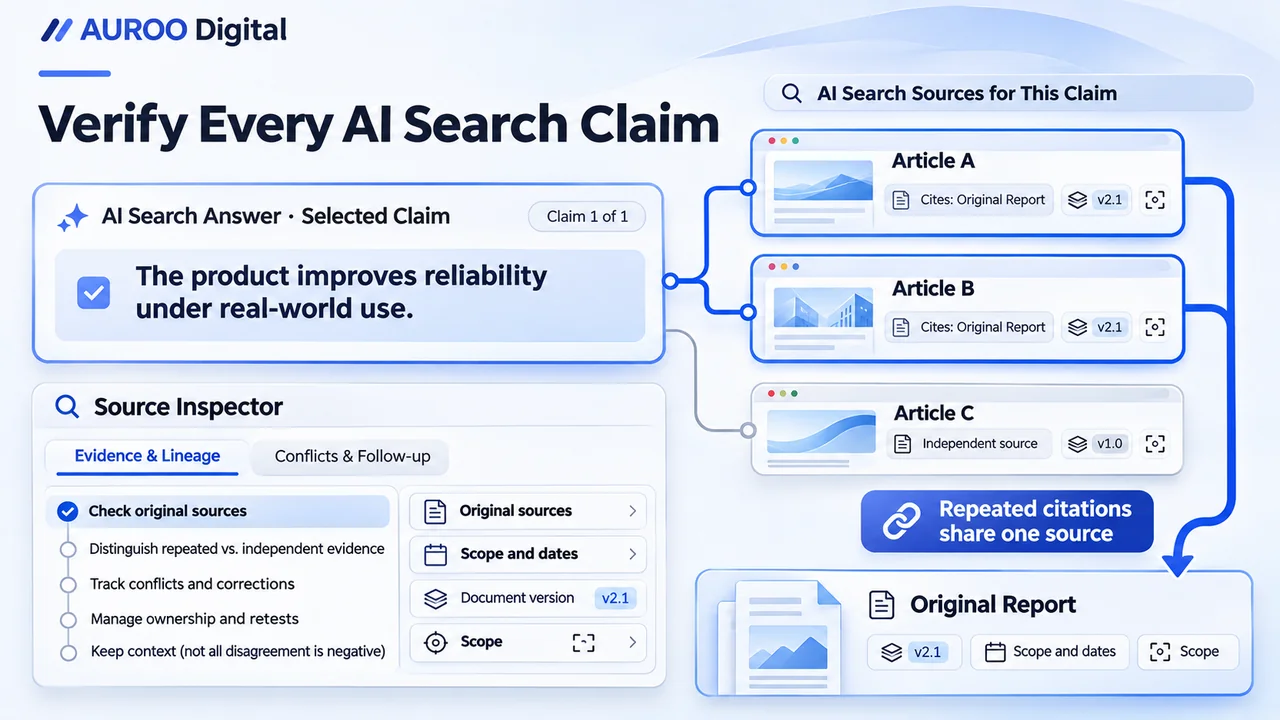
Link platform claims to official documentation. Use genuine author information and verifiable material for business experience. Label hypothetical examples. Place a source beside the statement it supports, and remove unsupported statistics instead of presenting invented precision.
Measure rankings, citations and inquiries separately
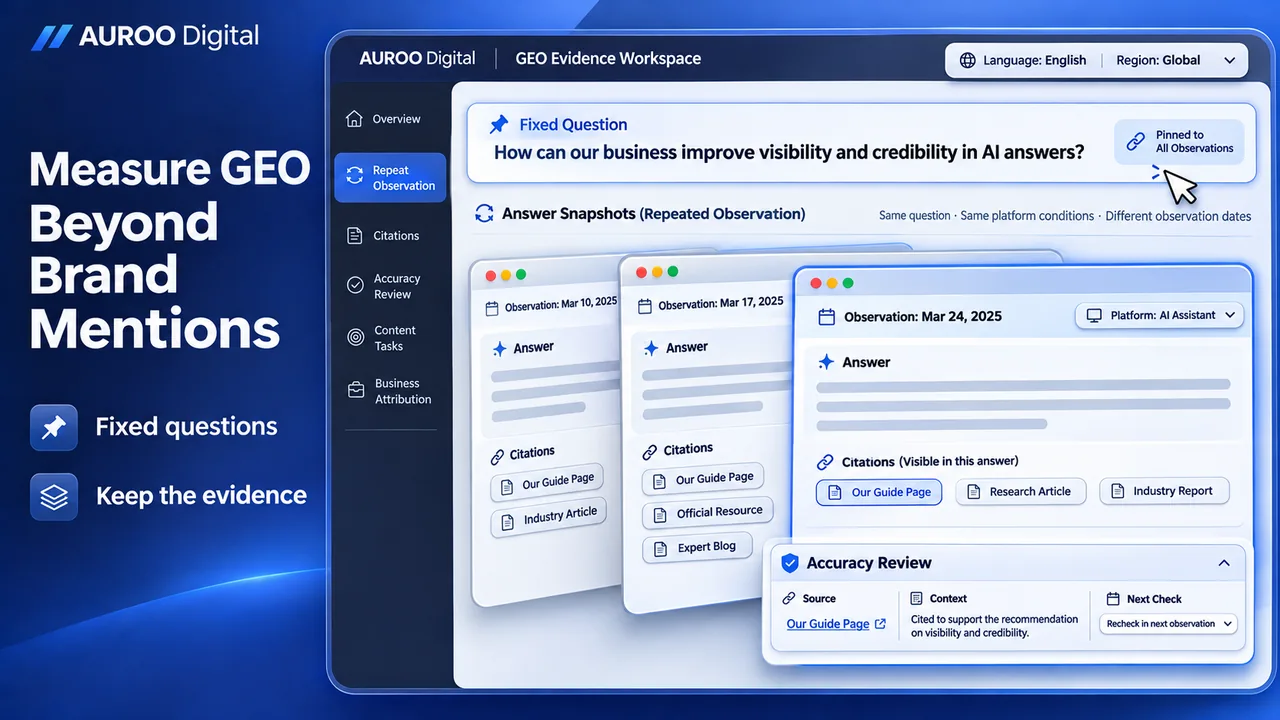
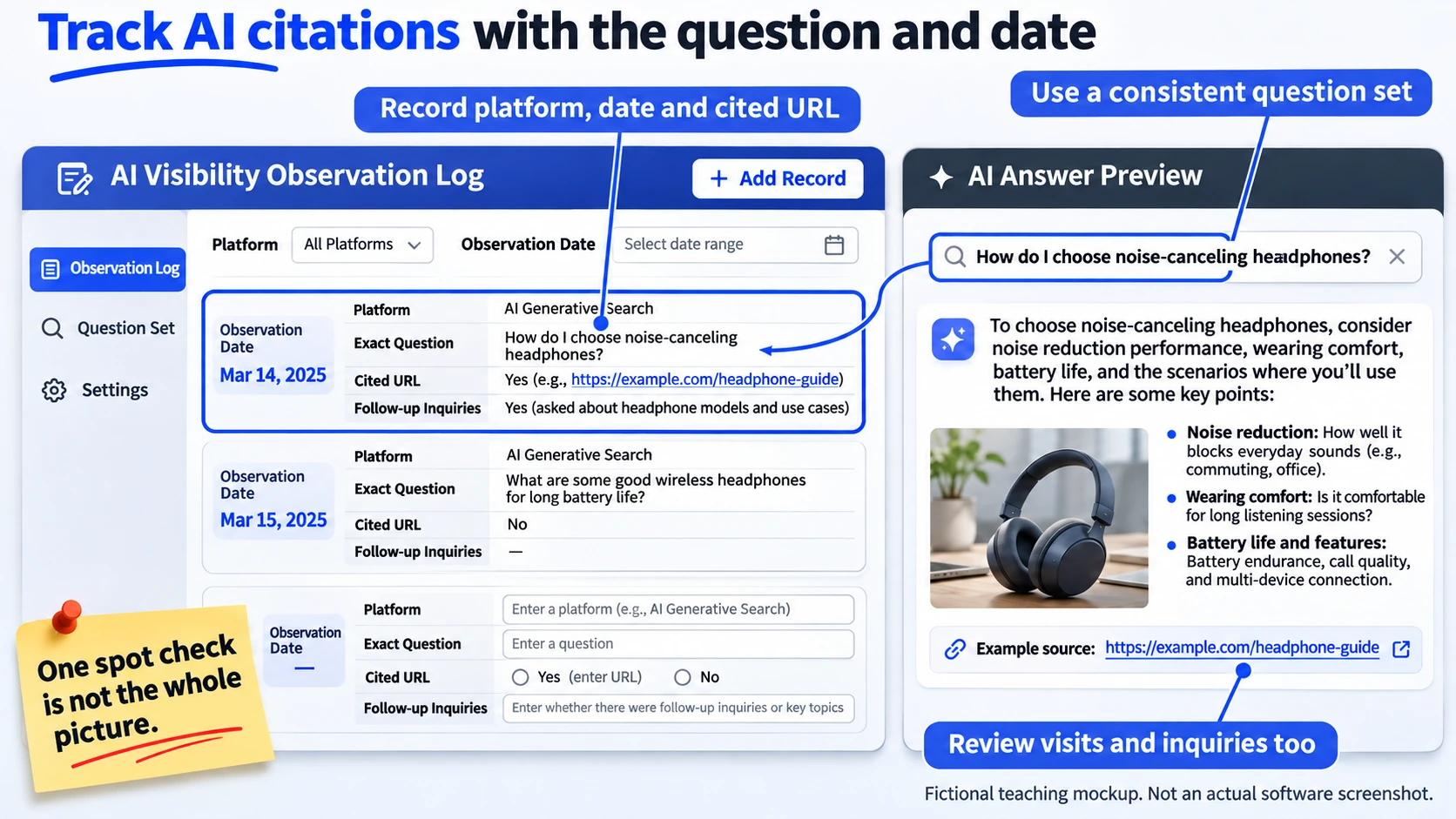
For conventional search, monitor queries, impressions, clicks, landing pages and qualified inquiries. For AI visibility, maintain a consistent set of questions and record the platform, date, answer and cited URLs. Answers can change over time and context. Spot checks do not establish a brand’s share of every AI answer.
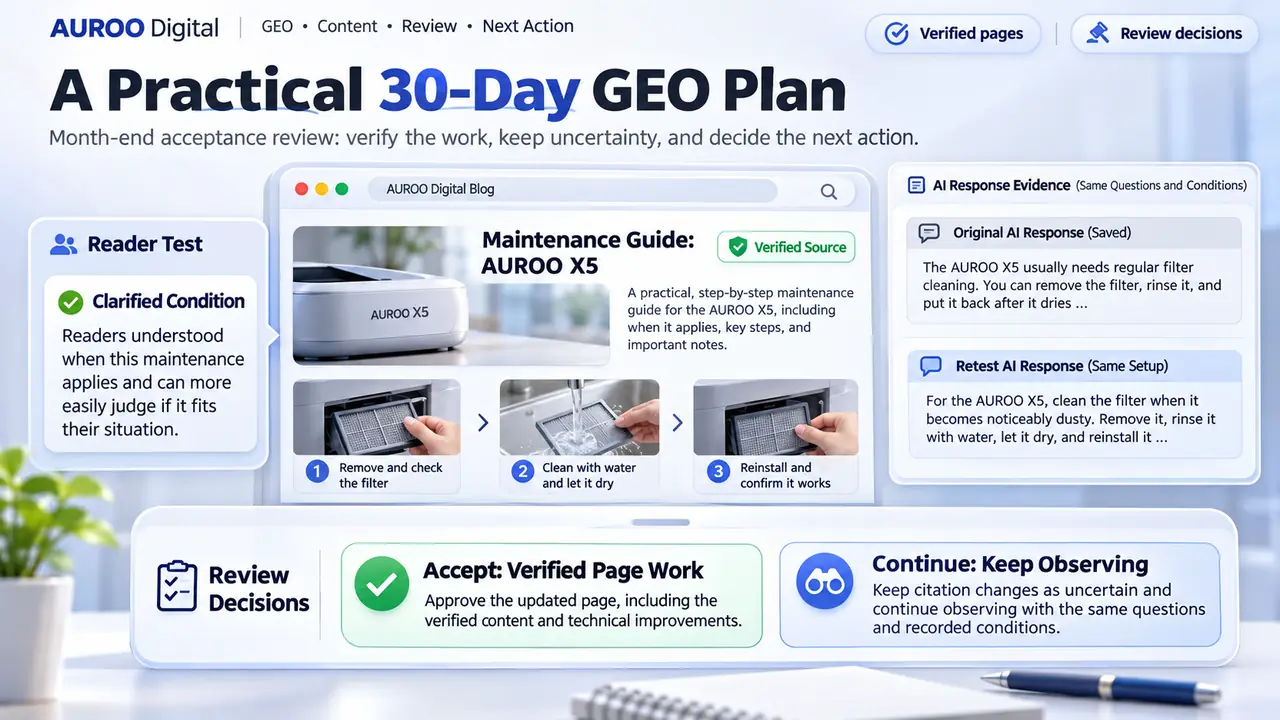
Keep unknown traffic sources unknown when the evidence cannot identify them. Review important pages when products, processes or documentation change. Record what changed and why; changing a date alone is not a substantive update.
Three shortcuts that can send the work in the wrong direction
- Repeat the same point to reach a keyword density. Answer the question, then add necessary conditions and evidence.
- Assume structured data guarantees rankings or citations. Accurate markup cannot replace useful content or ensure selection.
- Judge the work from one AI answer. Keep dated observations and examine relevant visits and inquiries as well.
Articles do not need to read like a collection of standardized answers. Explain a real problem in language people understand, then observe search and AI results.
Example: improve an equipment selection guide
Explain its intended application, required inputs, comparison criteria, limitations and sources. Genuine test results need the equipment and conditions stated. If no test took place, do not imply first-hand testing. Track the questions covered and review both relevant queries and citation observations.
This hypothetical example focuses on decision usefulness. If visibility rises without relevant inquiries, inspect whether the page helps people select a product or explain their requirements.
Can GEO replace SEO?
Google still emphasizes SEO fundamentals for its AI search features. Check other platforms separately.
Do authoritative sources guarantee an AI citation?
No. They help readers verify claims, while platforms determine crawling, selection and display.
How many keywords should a page contain?
There is no universal count. Use a clear topic and natural wording without unnecessary repetition.
For help connecting useful content with search and customer inquiries, contact AUROO Digital.